About
Sound is the invisible thread that ties emotion to image, and that’s where James Bladon thrives.
Based in Los Angeles, James is a seasoned sound editor and music editor with more than 30 years of professional experience in film and television. Over the course of his career, he has helped shape the sonic identity of countless projects, from high-profile studio features to acclaimed television series.
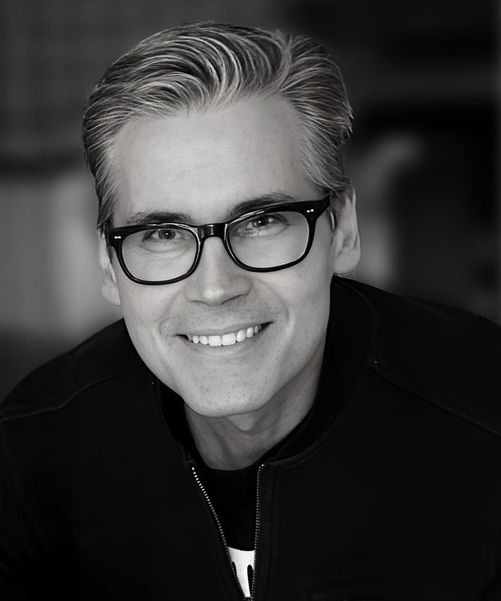
James specializes in music editing, carefully placing, timing, and shaping musical cues so that every note aligns with the rhythm, pacing, and emotion of a scene. His skill lies in enhancing the story’s heartbeat — ensuring that the score and sound design complement one another seamlessly.
Beyond music editing, James is experienced across the full sound editorial process, including dialogue and effects editing, collaborating with composers, mixers, and sound designers to bring every track into balance. His intuitive understanding of storytelling through sound allows him to elevate both the technical and creative dimensions of post-production.
A multiple Emmy nominee, James has built his reputation on precision, reliability, and artistry. He works with industry-standard tools such as Avid Pro Tools and other advanced editing platforms, bringing both craftsmanship and innovation to every project.
Approachable, collaborative, and passionate about the craft of sound, James continues to bring stories to life one frame — and one cue — at a time.
FAQ
Are you one of those people who grew up knowing that you wanted to be a music editor?
Those people aren’t real. They only exist in delightful stories passed down by our ancestors.
This might be dumb question, but what IS a music editor?
Just think of a music editor as a friend you haven’t met yet. Sorry, this is getting too “jokey”. A music editor does many things, but essentially I edit songs and score when needed to help support the story being told.
Do you write the music?
No, but that is a common misconception. The composer writes the score, but I work with them. Oftentimes we discuss things like timing, tone, instrumentation, character emotion or story development, in order to home in on how the musical score can serve the story at hand.
If you’re doing a T.V. show, how many times do you watch each episode?
I guess to an outside observer it may seem like the answer is: “Way too many”, but because I’m so focused on a particular element within it, it doesn’t feel like I’ve seen it seventeen times, which I probably have.
When you are working on something, how do you know when it’s “Done”?
That’s hard to define as it’s very subjective, but I suppose we all have a set of standards we set for ourselves. When those standards have been reached, you’ve given something your best and feel happy with the results, that might be a sign that you can move on to the next thing.
Is there a type of music that is more difficult to edit?
In general, not really, but I have worked on shows that use a lot of classical music which can be more challenging than traditional music with a consistent tempo, less dynamics, and fewer key changes. But that challenge does make it fun!
What is your favorite part of music editing?
This sounds like a “let’s wrap this up” question, so I’ll try to keep this short. Music editing is job that requires a lot of creative thinking and problem solving, When you’ve been wrestling with something difficult, something that seems like it just won’t work, and you finally have breakthrough and it starts sounding great, it is a fantastic feeling. I’ve had moments like that in my studio where I let out a triumphant “YES!!” to a completely empty room. Please don’t tell anyone I told you that.